🔥Limited Offer: Get 50% OFFon AI & Full Stack Courses🔥
Back to NumPy Notes
Topic #31

Zipf Distribution


Zipf distributions are used to sample data based on zipf's law.

Note: Zipf's Law: In a collection, the nth common term is 1/n times of the most common term. E.g. the 5th most common word in English occurs nearly 1/5 times as often as the most common word.

It has two parameters:

a - distribution parameter.

size - The shape of the returned array.

Example

  from numpy import random

x = random.zipf(a=2, size=(2, 3))

print(x)

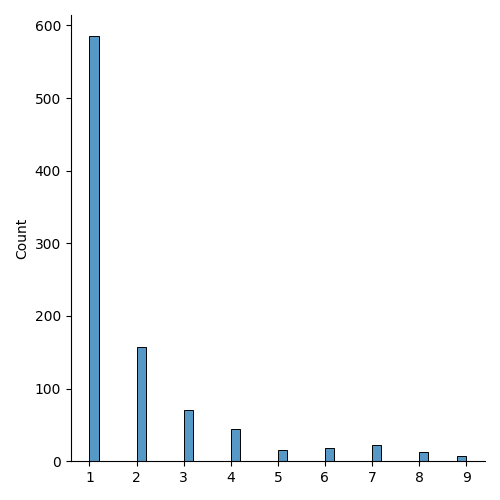
Visualization of Zipf Distribution

Sample 1000 points but plotting only ones with value < 10 for more meaningful chart.

Example

  from numpy import random
import matplotlib.pyplot as plt
import seaborn as sns

x = random.zipf(a=2, size=1000)
sns.displot(x[x<10])

plt.show()

image

Want to go beyond the notes?

Join CodingNow 2.0's NumPy course — live mentorship, real projects, and 100% placement support.

Enroll Now — Free Demo Available

Zipf Distribution – FAQs

Quick answers about learning Zipf Distribution in NumPy.

This free note from CodingNow 2.0 explains Zipf Distribution in NumPy — concept, syntax and worked code examples you can copy, run and revise before interviews.
Yes. Every NumPy topic on CodingNow 2.0, including Zipf Distribution, is 100% free with no signup required.
With focused practice, most students grasp Zipf Distribution in 1–3 days from these notes; pairing it with CodingNow 2.0's mentor-led course takes you to job-ready depth faster.
Use the code examples in this note, then ask doubts for free on the CodingNow 2.0 Community (/community) — expert instructors answer within 24 hours.
WhatsApp
Call NowEnroll Now